
Sclerotherapy
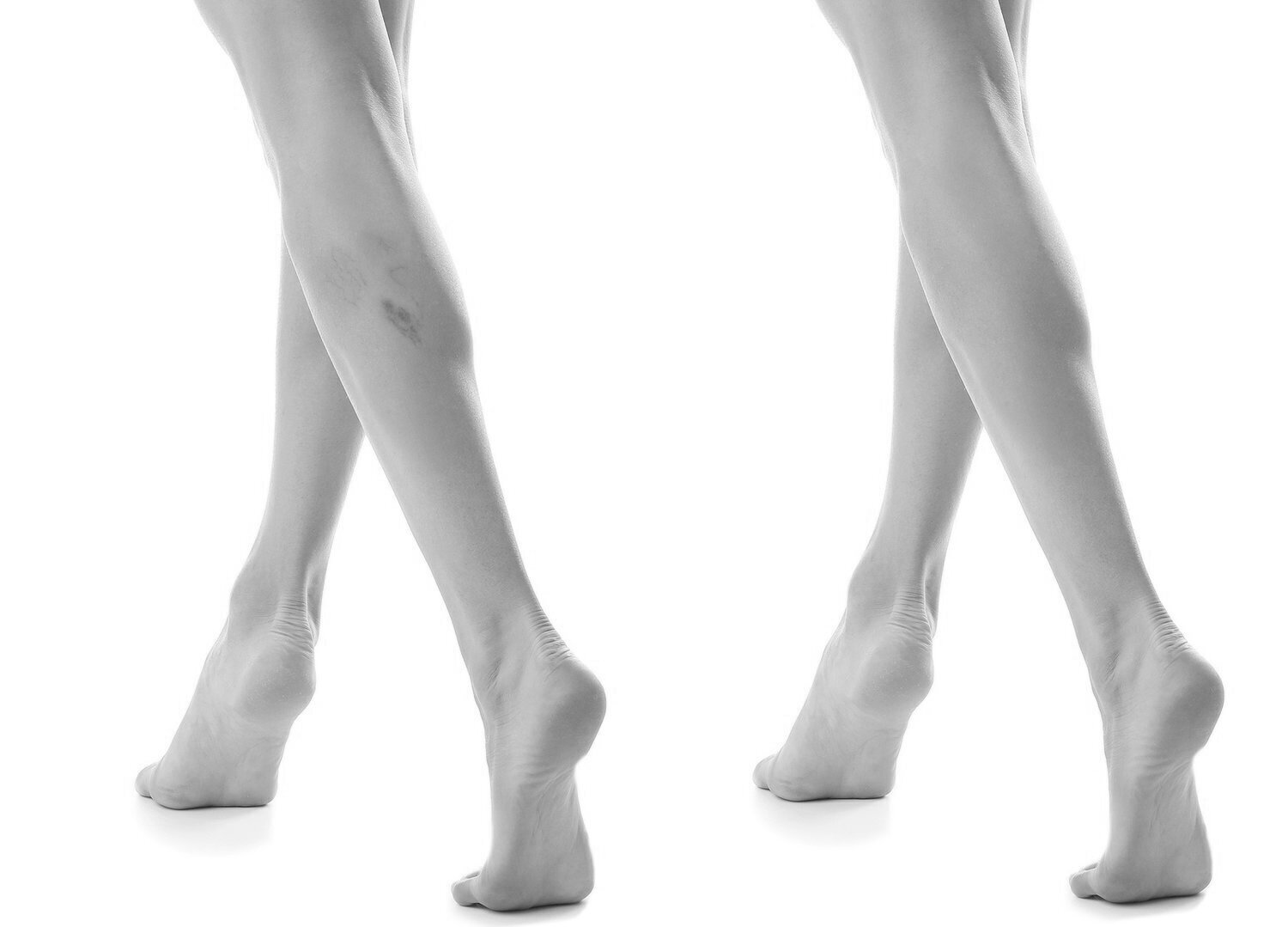
Sclerotherapy effectively treats varicose and spider veins. It's often considered the treatment of choice for small varicose veins. If varicose veins are severe, don’t ignore treatment, as they can rupture or form ulcers on the skin, which require immediate attention. Sclerotherapy is a medical procedure used to treat varicose veins. Sclerotherapy involves injecting a solution directly into the vein. The sclerotherapy solution causes the vein to scar, forcing blood to reroute through healthier veins. The collapsed vein is reabsorbed into local tissue and eventually fades. After sclerotherapy, treated veins tend to fade within a few weeks, although occasionally it may take a month or more to see the full results. In some instances, several sclerotherapy treatments may be needed.
For the procedure, you’ll lie on your back with your legs slightly elevated. After cleansing the area to be treated with alcohol, Dr Bianca Cowan will use a fine needle to insert the solution into the varicose vein slowly. Some people experience minor stinging or cramps when the needle is inserted into the vein. Once the needle is withdrawn, Dr Bianca Cowan applies compression and massages the area to keep blood out of the injected vessel and disperse the solution. The number of injections depends on the number and size of veins being treated.
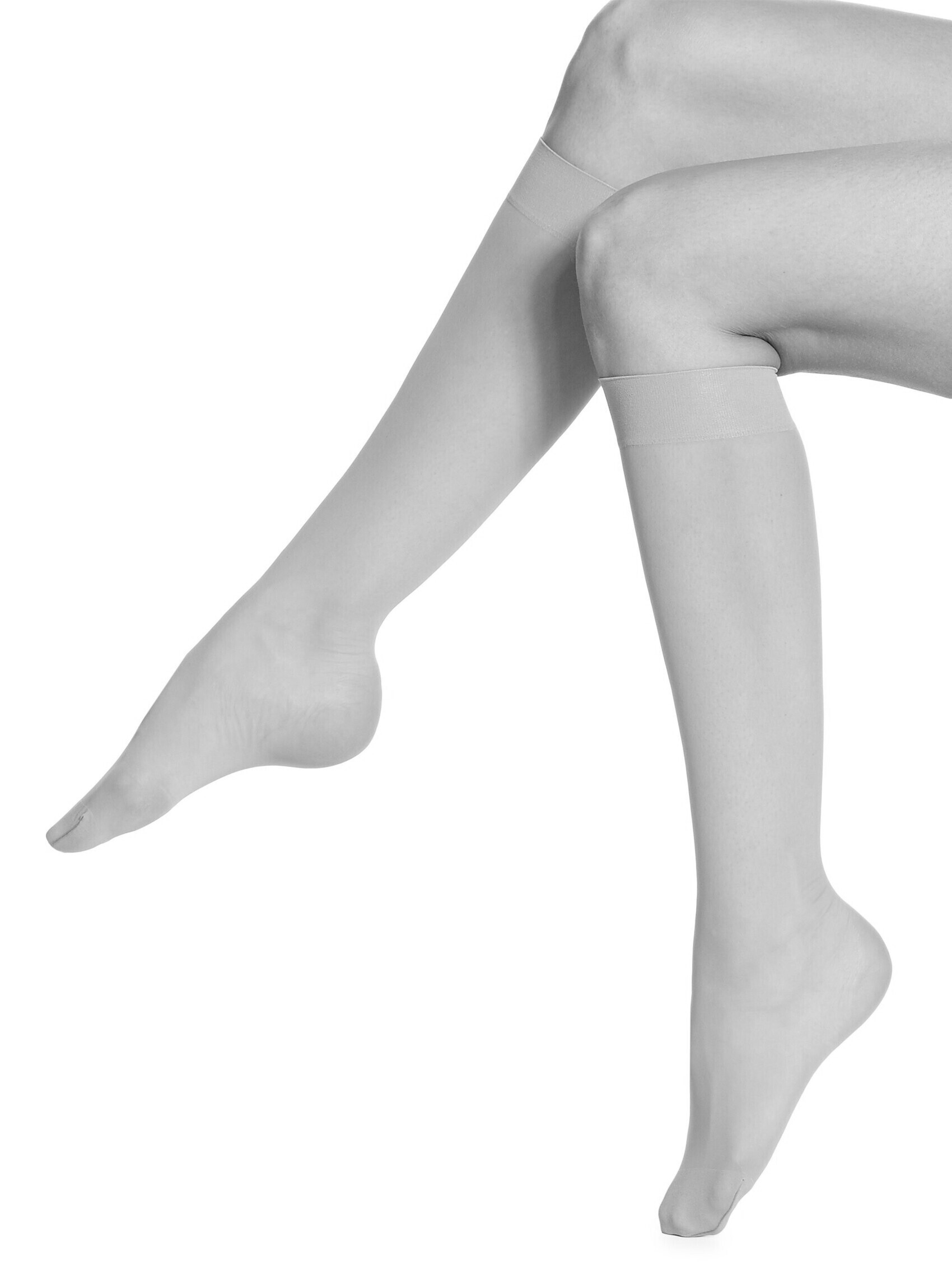
You can then get up and walk around. Walking and moving your legs is essential to prevent the formation of blood clots. You’ll be asked to wear compression stockings or bandages — usually for about three weeks. This is to maintain compression on the treated veins. Most people return to their normal activities on the same day, but it may be wise to have someone drive you home after the procedure. It is advisable to avoid strenuous exercise for two weeks after the procedure. You’ll also want to avoid sun exposure to the treated areas during that time. The inflammation caused by the injections combined with sun exposure can lead to dark spots on your skin, especially if you already have a dark skin tone.
Because the procedure is minimally invasive, there are few side effects associated with it. Some minor itching and burning immediately after the treatment is normal and quickly fades. In rare cases, allergic reactions, infection at the injection site, or complications associated with poor injection technique are possible. However, the potential for side effects can be reduced by choosing an experienced, reputable specialist to administer the procedure.
The number of sessions required depends on the depth, number, and size of the veins being treated. While some patients are happy with the results after just one treatment, others may desire further injections for the optimal effect. These follow up treatments should be spaced at least four weeks apart so that Dr Bianca Cowan can accurately evaluate the previous treatment’s effect before undergoing the following treatment.
Each session’s injection site takes on average only 15 to 30 minutes to complete, though this can vary depending on the size and extent of the treatment area.
Studies have shown that as many as 50%-80% of injected veins may be eliminated with each session of sclerotherapy. Less than 10% of the people who have sclerotherapy do not respond to the injections at all. In these instances, Dr Bianca Cowan can use different solutions. In general, veins respond in three to four months. If the veins respond to the treatment, they will not reappear. However, new veins may appear at the same rate as before. If needed, you may need to return for further sclerotherapy sessions.